
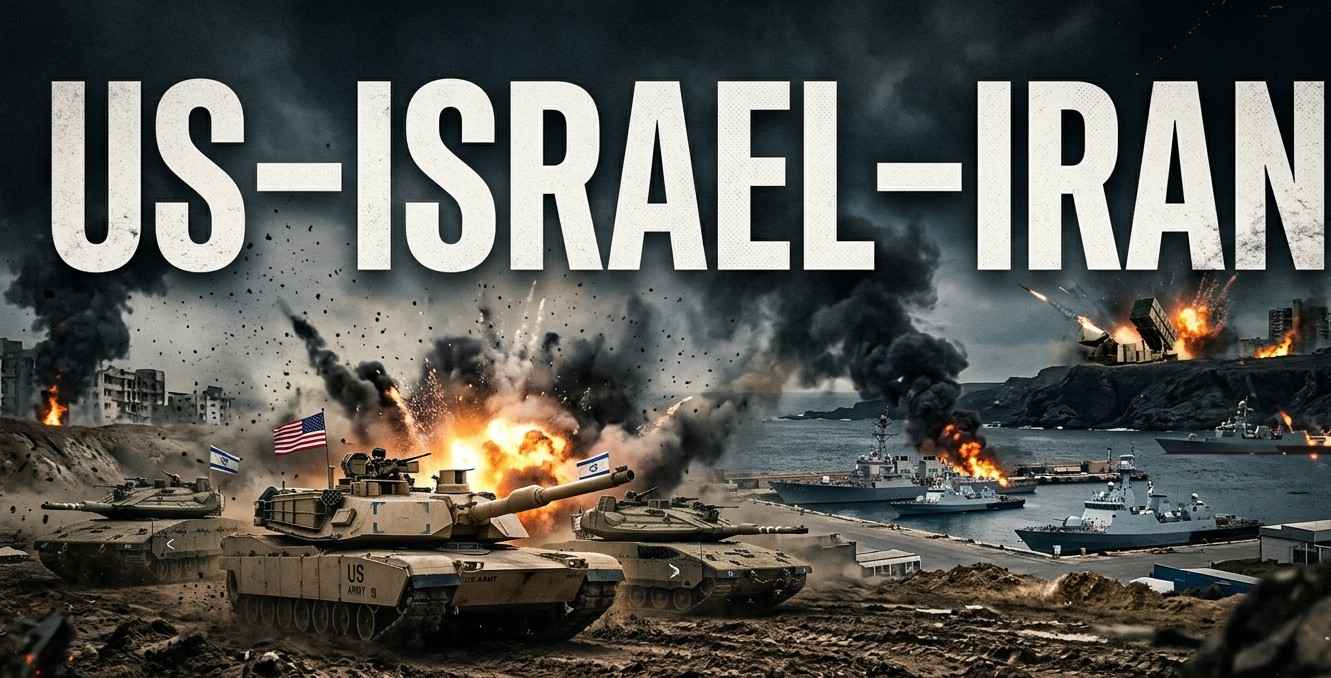
The ongoing tensions between the United States, Israel, and Iran have become one of the most closely watched global developments. As news continues to unfold, people around the world are searching for clear, simple, and reliable updates.
In this article, we’ll break down the situation in an easy-to-understand way, covering the latest updates, background, and what it could mean for the future.
Latest War Updates (Live Overview)
The situation remains tense, with frequent developments:
- Increased military alert levels across the region
- Strategic movements by naval and air forces
- Diplomatic talks happening behind the scenes
- Rising global concern about escalation
While no full-scale war has been officially declared, the situation is being treated as highly sensitive and unpredictable.
Background: Why Are These Countries in Conflict?
To understand the current situation, it’s important to look at the history.
Long-Standing Tensions
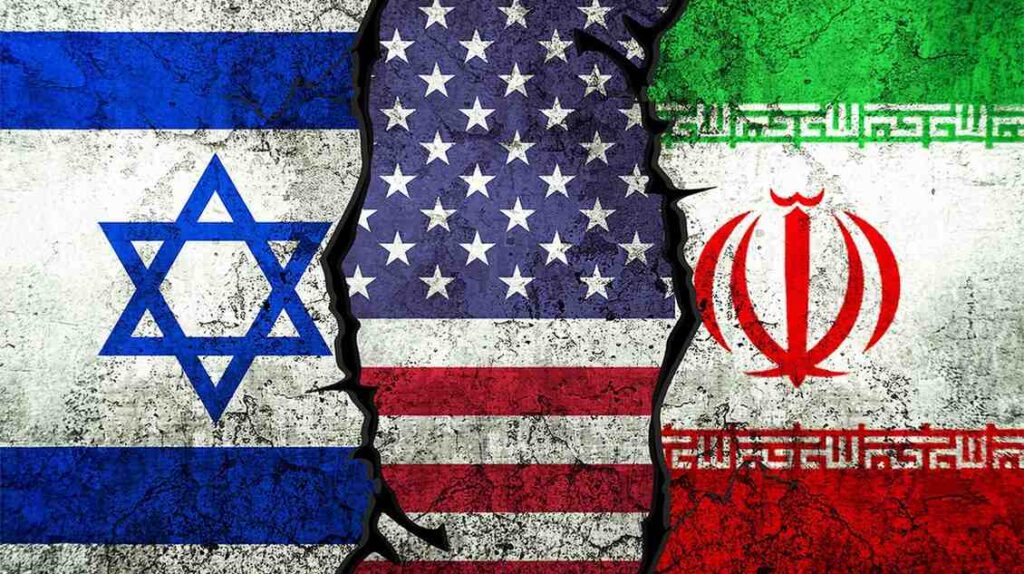
The conflict between Israel and Iran has been building for decades. Iran has often criticized Israel’s policies, while Israel sees Iran as a major security threat.
The United States, a strong ally of Israel, has also had a complicated relationship with Iran, especially after events like the Iran Nuclear Deal and its withdrawal.
Tata IPL 2026: Everything You Need to Know About the Biggest Cricket Festival- Click Here
Key Reasons Behind the Tension
1. Nuclear Program Concerns
One of the biggest issues is Iran’s nuclear program. Many countries, including the United States and Israel, worry that it could lead to nuclear weapons development.
2. Regional Influence
Iran has influence in several Middle Eastern countries, which Israel and the US see as a growing threat.
3. Military Activities
There have been reports of attacks, counterattacks, and cyber operations over the years, increasing mistrust.
Current Military Situation
Increased Security Measures
- Israel has strengthened its defense systems
- The United States has deployed forces in nearby regions
- Iran has raised its military readiness
These steps are mostly precautionary but show how serious the situation has become.
Risk of Escalation
Even a small incident could trigger a larger conflict. That’s why global leaders are closely monitoring every move.
Global Reactions
Countries around the world are reacting in different ways:
- Calls for peace and restraint
- Emergency meetings by international organizations like the United Nations
- Travel advisories issued for the region
Many nations are trying to prevent the situation from turning into a full-scale war.
Impact on the World
1. Oil Prices
The Middle East is a major oil-producing region. Any conflict can cause oil prices to rise, affecting economies worldwide.
2. Global Markets
Stock markets often react quickly to geopolitical tensions, leading to uncertainty for investors.
3. Travel and Safety
Air travel routes may be affected, and safety concerns increase for people living in or traveling to the region.
What Experts Are Saying
Experts believe that while tensions are high, all sides may still try to avoid a full-scale war due to the massive consequences.
Diplomatic efforts are ongoing, and back-channel talks are playing a crucial role in controlling the situation.
Possible Future Scenarios
1. Diplomatic Resolution
The best-case scenario is peaceful negotiations leading to reduced tensions.
2. Limited Conflict
There could be small-scale clashes without turning into a full war.
3. Full-Scale War
This is the worst-case scenario, which could have global consequences.
How This Affects Everyday People
Even if you are far from the conflict zone, the effects can still reach you:
- Rising fuel prices
- Economic instability
- Changes in global trade
That’s why it’s important to stay informed through reliable news sources.
How to Stay Updated
To keep track of live updates:
- Follow trusted news platforms
- Watch official government statements
- Avoid misinformation on social media
Staying informed helps you understand the situation better without panic.
Conclusion
The situation involving the United States, Israel, and Iran is complex and evolving. While tensions are high, efforts are still being made to prevent a full-scale war.
For now, the world watches closely, hoping for peace and stability. Keeping yourself informed with clear and simple updates is the best way to stay prepared.
FAQs About US–Israel–Iran War
1. Is there a war officially declared?
No, there is no official declaration of war, but tensions are very high.
2. Why are the US, Israel, and Iran in conflict?
The conflict is due to political, military, and nuclear-related issues.
3. Can this turn into a world war?
While possible, global leaders are working hard to avoid such a situation.
4. How does this affect oil prices?
Conflicts in the Middle East often cause oil prices to increase.
5. How can I stay safe and informed?
Follow reliable news sources and avoid spreading unverified information.
Also know as – Click Here